



What are Navigational Search Queries?
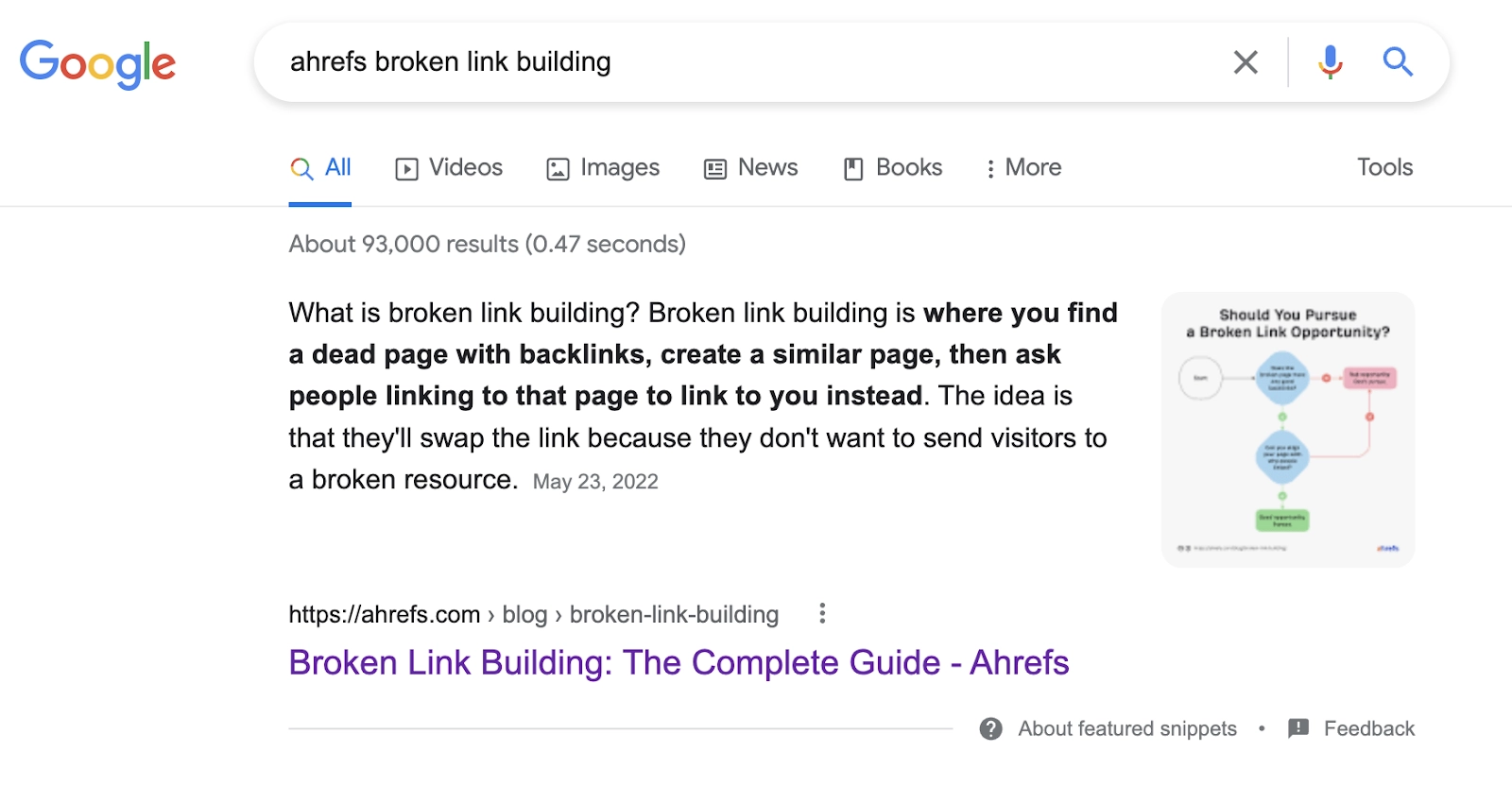
A navigational query is a search query used when you know the website or page you want to visit. You use a navigational search query when you want to go directly to a site but may not remember the exact URL or simply find it easier to type the brand or page name into Google’s search bar. For instance, if you want to check your Gmail, instead of typing “www.gmail.com,” you may type “Gmail” into the search bar.
This type of search differs from other search queries, like informational or transactional queries, which we’ll touch on shortly. Navigational queries represent user intent to visit a particular site, making them valuable for brands looking to capture direct traffic and build brand recognition.
Examples of Navigational Search Queries
To give you a clearer picture, here are some common examples of navigational search queries:
- “Facebook”
- “Amazon Prime”
- “Netflix”
- “Gmail”
- “YouTube”
Users enter these branded keywords to go directly to a specific website. The user’s search intent here isn’t to learn more about these brands but to access their services or platform immediately.
Why Are Navigational Queries Important?
So why should you care about navigational queries? If you’re running a website, this search query could indicate your brand’s recognition and authority. When users search directly for your business or website by name, it’s a positive signal that your marketing efforts are paying off and that your brand is familiar to your target audience.
Regarding search engine optimization, navigational queries help drive direct traffic to your site. If users frequently enter your brand name in a search engine, this tells search engines like Google that your site is a valuable, trusted resource. As a result, your website is likely to rank higher in search results.
Additionally, navigational queries can help users save time. Instead of typing out a full URL or navigating through a site, they can get to the web page they need faster. It’s a convenient and efficient way to browse the internet.
Navigational Queries vs. Other Types of Search Queries
To better understand navigational queries, it’s useful to compare them with the other two main types of search queries: informational and transactional queries.

Informational Search Queries
Informational queries are the opposite of navigational queries. Instead of seeking a specific website, the user searches for information on a topic. For example, if you search for “how to bake a cake,” you’re looking for information on baking, not a particular site.
These informational search queries are used when you want to find information on a subject, product, or service. The user’s query might not be directly tied to a brand, and they are more open to exploring different results. For this reason, businesses often target informational searches through content marketing and SEO. Providing relevant content for an informational query could rank well on the search engine, driving traffic to your website.
Transactional Search Queries
Transactional queries show that a user is ready to purchase or take action, such as buying a product or signing up for a service. For example, someone might search for “buy iPhone 12” or “best deals on laptops.” These searches have transactional intent because the user wants to complete a transaction, whether a purchase or another type of engagement.
Businesses often run search ads targeting transactional keywords to attract users in the decision-making stage of their buyer’s journey. Paid search campaigns are especially effective for transactional searches, as these users are more likely to click on an ad when they are ready to purchase.
How Navigational Queries Impact SEO and Brand Recognition
Navigational queries are powerful for a brand’s online visibility because they show direct user intent to visit a specific website. When users frequently enter your brand name or a navigational keyword into a search engine, it signals to the search engine that your website is a trusted and important destination. It can boost your search rankings organically.
However, it’s important to recognize that optimizing for navigational search queries differs from optimizing for informational or transactional queries. Since users already know which website they want to visit, the chances of competing for those queries (unless you’re the brand itself) are slim. Still, navigational searches can reinforce your brand recognition and ensure users find the correct website without any detours.
In addition, it’s common for businesses to bid on branded keywords in paid search campaigns to ensure they dominate both organic and paid positions in the search results. It can prevent competitors from bidding on your branded keywords and stealing traffic.
How to Optimise Navigational Queries?
Optimizing navigational queries is important for businesses, especially if users frequently search for your brand or specific products. These queries occur when users try to reach a specific website or brand page.
Here’s how to ensure your site ranks high for navigational search queries and captures valuable traffic:
Focus on Branding
Your brand name is the key element in navigational queries. To optimize, you need a strong brand presence that is recognizable and trusted by users. Ensure your brand name is consistently used across all online platforms, including your website, social media, and business directories. The more familiar your brand is to users, the more likely they will use it in navigational searches.
Optimize Title Tags and Meta Descriptions
Search engines rely on your website’s title tags and meta descriptions to understand what your pages are about. Ensure that your brand name is included in both, particularly on key landing pages like your home, product, and contact pages. This reinforces your brand’s relevance in navigational searches and helps search engines display your site prominently in organic search results.
Bid on Branded Keywords
Even though you might already rank high organically for navigational keywords, bidding on your branded keywords through paid search ads is wise. It ensures your brand appears at the top of paid and organic listings, preventing competitors from outbidding you for traffic. It also strengthens your brand’s visibility and helps protect your position.
Create Clear and Consistent URLs
A clean and consistent URL structure that includes your brand name can help search engines easily identify your website. For example, URLs like www.brandname.com/contact instead of complex, unclear ones make it easier for search engines to match your navigational query with your website.
Ensure Local SEO is in Place
Optimizing for local searches is important for businesses that rely on local traffic. Make sure your business name, address, and contact details are consistent across all platforms, including Google My Business, Yelp, and other directories. It increases the chances that users will find your specific location when they search for your brand locally.
Can Small Businesses Compete with Larger Brands for Navigational Queries?
You may wonder if smaller businesses can compete with larger, more established brands regarding navigational queries. While ranking for branded navigational searches can be challenging, some strategies can help small businesses stand out.
First, you need to focus on creating a distinct brand identity. By offering a unique value proposition, even small businesses can build brand recognition and attract search queries directly targeting their brand. Also, strengthening your local SEO by optimizing for local searches and encouraging customer reviews can help you rank better in local results, which is important for smaller businesses.
How Do Navigational Queries Impact Local SEO?
Local SEO is another area where navigational queries play an important role. When users search for local businesses using a navigational query, such as “best pizza near me” or directly entering the name of a local restaurant, it helps the search engine understand the relevance of that business to the local search.
For smaller or location-specific businesses, navigational queries can help drive traffic and increase visibility within a specific area. Ensuring that your business’s name, address, and phone number are up-to-date across all platforms (website, Google My Business, etc.) is key to making the most out of these searches.
Navigational Queries and Conversion Rates
One key advantage of navigational queries is that they often lead to higher conversion rates. Since users entering navigational search queries already know the particular website they want to visit, they’re more likely to take action once they arrive. Whether making a purchase, filling out a contact form, or subscribing to a newsletter, these users tend to have more intent behind their actions than those simply exploring informational queries.
Conclusion: Why Navigational Queries Matter
Understanding navigational search queries is important for any business looking to improve its online presence. These search queries indicate a strong user intent to visit a specific website and reflect a brand’s success in visibility and recognition.
As a business owner or marketer, optimizing your site for navigational searches means ensuring that your brand name is present across all digital channels and that your website is structured for easy navigation. Although competing for navigational queries may not always be possible for non-branded search terms, owning your brand’s navigational keywords through organic and paid search ensures that your business remains the top destination in the search engine results pages.